

Camp Layman's Legacy in the Feather River Canyon
A Century of Solice
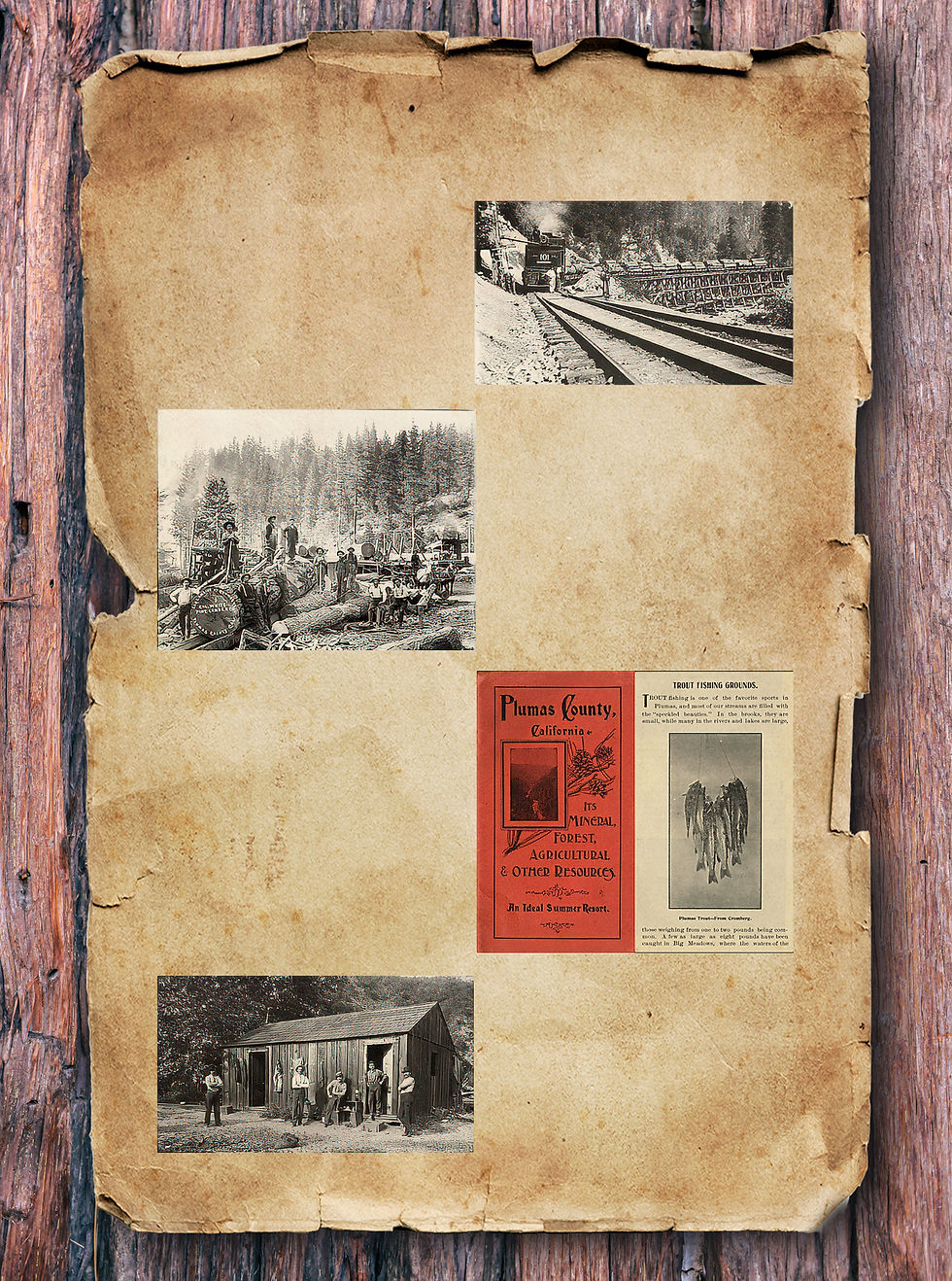
Camp Layman rests within the historic Feather River Canyon, a grand passage carved into the Northern Sierra Nevada. Though founder Frank Layman's precise record may be hidden, the camp's century-old purpose is clear: to be a haven from the clamor of the age. The Western Pacific Railway transformed this country in the early 1900s, making the canyon accessible. Suddenly, where only prospectors and lumbermen ventured, vacationers arrived seeking respite. Businesses like Camp Layman thus sprung up along the Middle Fork of the Feather River to uphold the tradition of summering in the mountains.
The hamlets nearby, including the stout little community of Cromberg, owe their very existence to the furious pace of progress during the latter half of the 19th century. Although the great gold strikes were not directly here, the bounty of the forests was just as valuable. These hillsides yielded vast quantities of timber, and the construction of numerous logging railways was a necessity for conveying the raw lumber to distant markets. The towns of Plumas County—Cromberg, Graeagle, and Portola—served as vital rail and supply depots, supporting the rugged men who worked the timber claims and ensuring the region’s prosperity was laid on a sturdy foundation of wood and iron.
A Foundation in Wood and Iron
Gateway to Alpine Adventure
As the new century dawned and the grand era of the frontier began its inevitable fade, the true, enduring worth of this remote region was finally and universally recognized: its spectacular natural splendor. This shift in focus led to the meticulous development of the Lakes Basin Recreation Area, a magnificent patchwork of serene alpine waters and countless winding trails traversing the peaks. This crucial development firmly established this corner of Plumas County as the fabled "Lost Sierra"—a territory deemed unspoiled and rife with opportunity for wholesome, rejuvenating outdoor adventure. Camp Layman, due to its convenient situation directly by the river and accessible from the main road, quickly became recognized as the ideal base of operations for explorers. It was—and, indeed, it remains—the favored spot for the devout angler seeking to cast a line for the region's finest trout and for the family who simply wished to trade the hot, dusty commotion of the city for clean mountain air and a proper, invigorating swim beneath the pines.
Simple Living, Timeless Recreation
Today, the original, rustic wooden cabins of Camp Layman remain a sincere tribute to the integrity of their first construction, lovingly maintained to uphold the spirit of Mr. Layman’s original 1912 endeavor. The camp stands as a quiet watchman, a place where time seems to slow its relentless pace, nestled perfectly between the storied Twenty Mile House and the resort grounds of Graeagle. While progress continues its march—bringing forth the golf links and new motor roads—Camp Layman holds steadfast to the cherished customs of simple living, honest recreation, and the steady, comforting murmur of the Middle Fork, making it a truly timeless retreat for the creation of enduring family memories.
The 2026 season runs April
through October
